

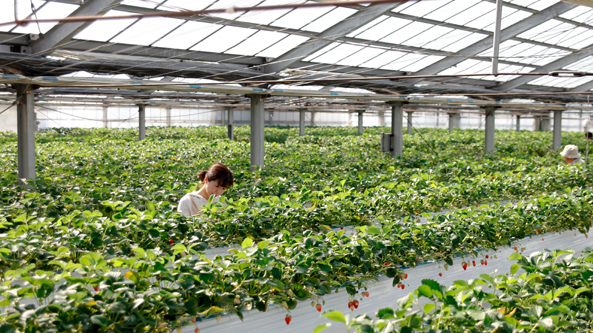
Across today’s agriculture and farming sector, energy is as critical as seed and soil. Greenhouses, barns, poultry houses, grain dryers, and on‑farm processing lines all depend on fans, blowers, heaters, and refrigeration to keep plants and animals in narrow comfort bands.
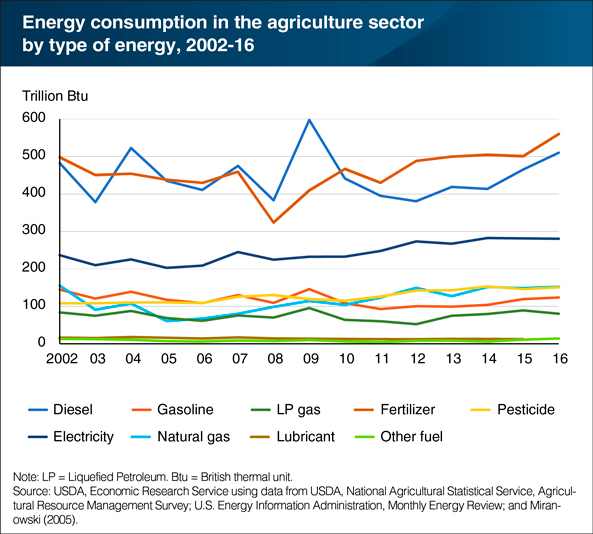
In some intensive greenhouse operations, energy can account for up to 85% of total operating costs, with a large share tied to heating and ventilation systems. At the same time, much of that purchased energy exits the farm as warm exhaust air that is simply blown outside.
Studies of greenhouse ventilation show that ventilation heat loss alone can represent about 20% of total greenhouse energy use in moderate climates, and even more in colder regions. Capturing this “waste” heat and transferring it into water – where it can be stored, piped, and reused – is an underused strategy that can lower costs, shrink greenhouse gas (GHG) emissions, and make farms more resilient.
Air‑to‑water waste heat recovery (ATW WHR) describes any system that takes heat from warm air streams and moves it into water, instead of dumping that heat outside. The core concept is simple and works in two steps. First, exhaust air from ventilation, cooling, or processing is routed through an air-side device such as a heat exchanger or recovery coil. Second, the device transfers that thermal energy into a water loop or storage tank. That hot water can then be used across the farm for space heating, preheating incoming air, or supplying wash and process water. There are many ways to implement ATW WHR on farms:
Introducing ATW waste heat recovery on farms delivers value on several fronts, from operating costs to emissions and resilience.
Agriculture grapples with steep energy costs that can claim 20-30% of operating budgets on intensive farms. Fuel and electricity prices add constant volatility to this equation. Air-to-water waste heat recovery fights back by capturing exhaust heat from existing fans and coolers into reusable hot water. Greenhouse studies show ventilation recovery can cut heating demand by over 55%. This delivers stable costs, 2-3 year paybacks, and savings farmers can reinvest without operational upheaval.
Every bit of recovered exhaust heat displaces fuel burners or electric heaters, shrinking the farm's carbon footprint. (This is helpful under the tightening carbon reporting rules). Farms targeting grants gain a clear competitive edge with these measurable reductions.
Air-to-water waste heat recovery builds farm resilience because it turns exhaust heat into a storable water-based resource. This creates a buffer against cold snaps, fuel shortages, or price volatility.
Farms of all sizes have multiple points where valuable heat is currently dumped into the air.
Dairy cooling and ventilation – Milk coolers and refrigeration condensers expel steady heat during chilling. Barn ventilation adds more from animal body warmth, lighting, equipment, and moisture removal.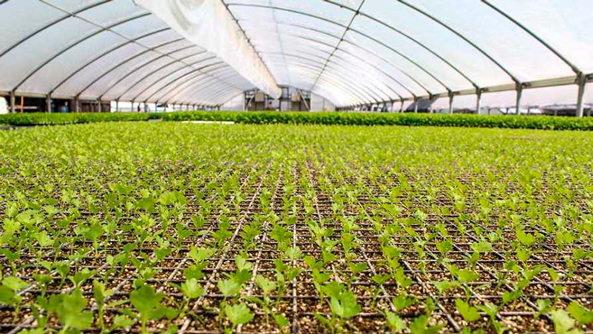
In grain drying, air-to-water units can capture exhaust heat after crops pass through, storing it in water tanks to preheat intake air for the next load. This cuts propane use – vital since U.S. grain drying burns roughly 90 trillion BTU yearly – while keeping drying speeds and grain quality consistent. Farms gain reliable throughput during harvest rushes, with direct fuel savings
Greenhouse setups duct ventilation exhaust to recovery coils, warming water that circulates through in-floor pipes or propagation benches. This provides steady root-zone temperatures for year-round crops, especially benefiting propagation stages.
In dairy parlors, one of the most energy‑intensive tasks is producing hot water for CIP (clean‑in‑place) washing, bulk tank cleaning, and pipeline rinsing. At the same time, milk‑cooling systems and refrigeration units continuously dump heat into the air as they chill milk and storage rooms.
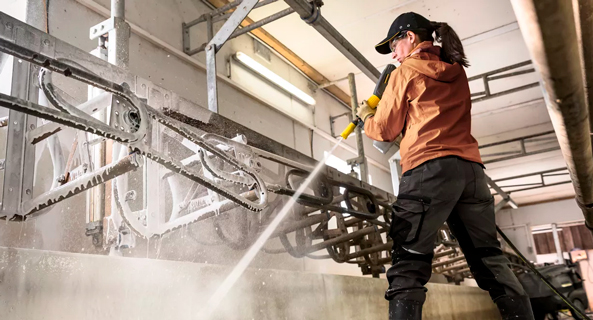
Instead of letting condensers simply blow warm air into the room or outdoors, their heat could be captured by an air‑to‑water exchanger and transferred into a hot‑water storage tank. That stored hot water can then be used for daily washdowns or to preheat barn ventilation air before it’s brought inside, so the boiler or main water heater only needs to “top up” the final temperature.
Barn exhaust from poultry or swine houses can feed air-to-water recovery for radiant floor panels or overhead heaters. This prewarms the incoming fresh air, reducing cold-stress huddling and boosting feed efficiency without extra fans.
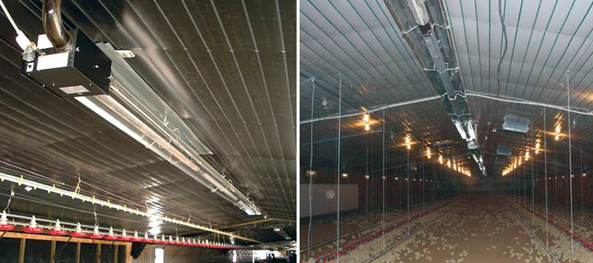
For tobacco, herbs, or nuts, post-drying exhaust heat recover can support low-temperature curing rooms or dehumidifier preheat. This maintains target humidity gradients, shortens cycles, and lowers overall dryer runtime compared to straight propane firing.
Farms already generate more usable heat than most operators realize. It leaves through exhaust fans, refrigeration systems, and ventilation ducts as a byproduct of processes you’re running anyway. Air-to-water waste heat recovery changes the math. Instead of treating that heat as loss, it becomes a managed resource that supports heating, wash water, and preheat cycles while reducing fuel exposure and emissions intensity.
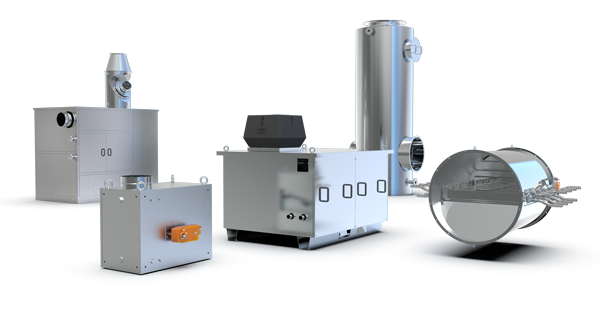
ENERVEX designs engineered ATW waste heat recovery solutions built specifically for demanding agricultural environments.