

Airports are unusual energy environments. A terminal might be cooling thousands of passengers, freezing airline catering, ventilating jet-fuel fumes from service areas, and heating jet bridges all at the same time. While parts of the airport are burning fuel to produce heat, other parts are actively dumping heat outdoors. Most airports operate massive refrigeration plants, chillers, and HVAC systems that continuously reject thermal energy through condensers or cooling towers. The heat removed from occupied spaces, kitchens, and equipment rooms is simply expelled into the atmosphere. Meanwhile, boilers or electric heaters are working elsewhere in the building to produce the same heat that was just discarded. Air-to-water waste heat recovery offers a way to capture that lost energy and redirect it to where airports need it and airports need heat all over the place.

Airport terminals rank among the most energy-intensive building types in the world. Long operating hours, high occupant density, strict ventilation standards, and enormous conditioned spaces push mechanical systems to their limits.
HVAC alone typically represents 40–60% of total terminal energy consumption. Unlike office buildings or retail centers that can reduce operations overnight, airports function as critical infrastructure with minimal downtime. Heating, cooling, and ventilation systems must remain operational regardless of weather conditions, passenger volumes, or flight schedules.
This heavy dependence on mechanical systems creates two challenges simultaneously: high energy costs and high operational risk.
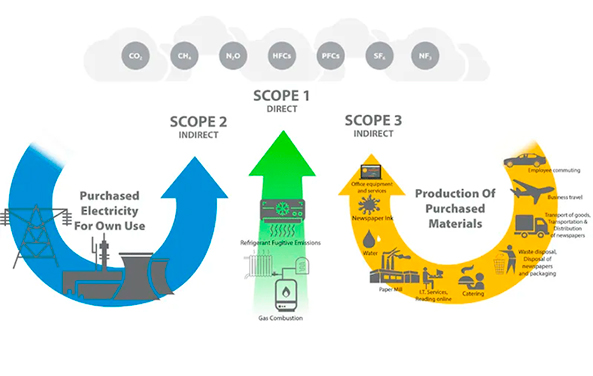
At the same time, airports are facing increasing scrutiny over their climate impact. Through the Airport Carbon Accreditation program, participating airports reported more than 6.2 million tonnes of combined Scope 1 and Scope 2 emissions in the 2022 and 2023 reporting period. This program pushes airports to implement measurable reductions in their emissions, rather than offsets.
Those emissions come largely from two sources:
● Electricity used to run HVAC, refrigeration, and ventilation systems
● Fossil fuels burned for heating water and indoor spaces
But the issue extends beyond emissions accounting. Energy infrastructure is tightly linked to operational resilience. Airports must remain functional during extreme weather events, grid disruptions, or fuel supply interruptions – precisely the conditions that often increase heating demand. During winter storms, for example, terminals must maintain safe indoor conditions for thousands of passengers while supporting deicing operations, maintenance facilities, and critical support systems.
If heating systems rely entirely on external fuel supplies or conventional boiler infrastructure, those operations become vulnerable to supply interruptions and price spikes.
Air-to-water waste heat recovery systems capture low-grade thermal energy that cooling equipment would normally reject to ambient air. In a typical configuration, heat from refrigeration condensers or chiller systems is transferred into a water loop. A heat pump then raises the temperature of that water to a level suitable for heating applications.
This recovered thermal energy can be used to support several building loads, including:
● Domestic hot water systems
● Hydronic heating loops
● Ventilation air preheating
● Reheat coils in air-handling units
Because the heat originates from cooling processes already occurring within the building, the system effectively allows the airport to reuse energy that has already been paid for.
The thermodynamic advantage is significant. Heat pumps can typically deliver three to four units of thermal energy for every unit of electrical input, meaning that recovered heat can offset large portions of conventional heating demand.
Airport facilities host a wide variety of cooling and refrigeration systems that produce continuous waste heat streams. These systems often operate year-round, making them ideal candidates for heat recovery.
Airport terminals host dense clusters of refrigeration systems supporting restaurants, cafés, retail food outlets, airline lounges, and duty-free stores. Behind the scenes, airline catering and commissary kitchens rely on blast chillers, walk-in coolers, and freezer banks. These systems run almost continuously, rejecting steady low-grade heat through condensers that can be captured and reused elsewhere in the facility.

Most large terminals rely on central chilled-water plants or large direct-expansion (DX) cooling systems to condition passenger halls, concourses, offices, and equipment rooms. These systems remove large quantities of heat from indoor air and reject it through condensers or cooling towers, making them one of the largest recoverable thermal streams in an airport.
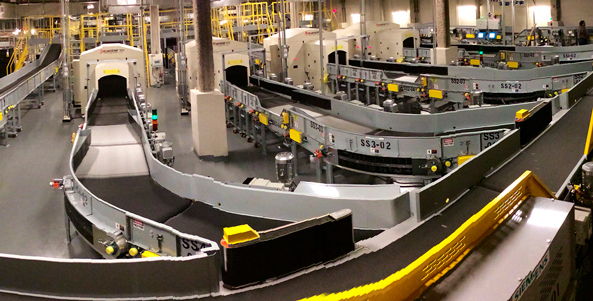
Baggage systems rely on extensive networks of motors, conveyors, and control electronics that generate concentrated heat loads in enclosed spaces. Dedicated cooling units are often installed to prevent overheating of drive systems and electrical cabinets.
The condensers serving these systems produce localized waste heat that can be aggregated into a broader heat recovery loop.
Modern airports depend on large volumes of digital infrastructure to support security screening, passenger information systems, operational logistics, and communications. Server rooms and network facilities require continuous cooling to maintain equipment reliability. Even moderate IT environments produce stable heat loads that can be recovered and reused within building heating systems.
Once captured and upgraded by an air‑to‑water system, waste heat can serve several high‑value applications around the airport:
Airport terminals consume significant hot water in restrooms, airline lounges, kitchens, and cleaning operations. Recovered heat can preheat incoming cold water before it enters conventional heaters or storage tanks. This reduces boiler runtime and fuel consumption while providing a steady thermal load that aligns well with heat pump output.
Terminal HVAC systems must heat large volumes of outdoor air to maintain indoor comfort and air quality.
Recovered heat can supply hydronic preheat coils in air-handling units or support reheat coils used for zone control. Even modest temperature lifts can significantly reduce the heating demand placed on conventional boiler systems.
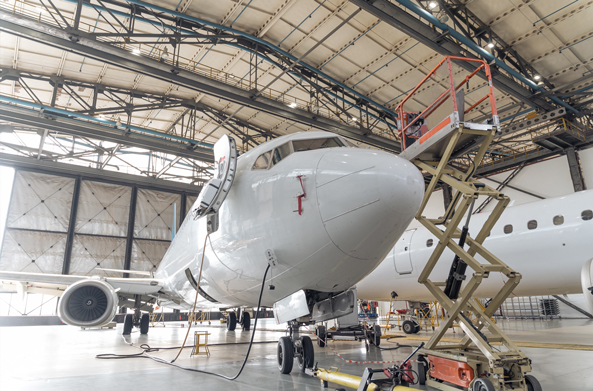
Maintenance garages, service bays, and deicing support facilities often rely on radiant floor heating or hydronic heating systems to maintain safe working conditions. Warm water supplied from a heat-recovery loop can meet much of this demand, reducing fossil fuel consumption while maintaining reliable heating for operational areas during cold weather.

The combination of rising energy prices, tightening climate expectations, and the sheer scale of HVAC loads in airport terminals makes waste heat recovery an attractive investment.
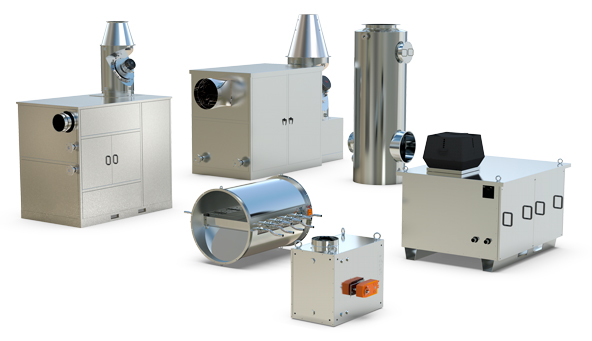
Refrigeration plants, kitchen equipment, and ventilation systems shed heat constantly – straight to the atmosphere. ENERVEX PowerVex units pull that heat before it escapes and put it into hot-water loops serving domestic hot water and ventilation preheat. Built around compact modular heat exchangers, PowerVex units recover 200–300% more energy than a traditional economizer at the same physical footprint and in most applications pay for themselves in under two years.
If you are planning a terminal upgrade, expanding retail or catering operations, or pursuing higher levels of carbon accreditation, this is an ideal time to evaluate your refrigeration and cooling systems for heat‑recovery potential. A focused assessment can reveal where your airport is currently throwing away valuable heat. Learn more at enervex.com